Understanding the Importance of POS Software in Modern Retail Workflow
In today's retail landscape, the function of POS software has actually come to be increasingly considerable. These systems have transformed from standard cash money signs up to multifaceted devices that enhance different facets of operations. They not just streamline purchases but likewise supply understandings that can shape service techniques. Comprehending how these systems influence consumer experience and inventory management is necessary for any type of retailer seeking to remain affordable. The implications of these developments require further expedition.
The Evolution of POS Software: From Purchase Handling to Comprehensive Solutions
Enhancing Client Experience Via Advanced POS Includes

Improving Supply Monitoring With Integrated POS Systems
Integrated POS systems play a necessary duty in enhancing inventory monitoring by automating procedures that traditionally needed considerable hand-operated initiative. These systems enable retailers to track stock degrees in actual time, removing discrepancies that commonly emerge from manual stock matters. With functions such as barcode scanning and automated stock replenishment signals, businesses can maintain perfect stock degrees without overstocking or stockouts.Furthermore, integrated POS systems assist in precise projecting by assessing historical sales data, allowing stores to make informed acquiring choices. This predictive ability helps companies adapt to transforming customer needs and seasonal fads extra effectively.Additionally, the centralization of supply information across multiple sales channels enhances presence, enabling stores to handle their stock much more effectively. Inevitably, the assimilation of POS systems into supply management simplifies operations, lowers human mistake, and adds to boosted productivity.
Real-Time Sales Tracking and Reporting for Informed Decision-Making

Exact stock monitoring prepares for reliable sales monitoring and coverage. Real-time sales tracking allows stores to monitor sales efficiency as it occurs, offering instant insights right into customer buying patterns and patterns. This capability permits businesses to react promptly to changes sought after, maximizing supply levels and decreasing overstock or stockouts.Moreover, incorporated POS systems facilitate the generation of detailed reports, highlighting essential metrics such as sales by classification, amount of time, and individual items. Such reporting abilities empower retailers to make data-driven choices, recognizing successful strategies and areas needing enhancement.
The Function of POS Software in Consumer Partnership Monitoring
POS software plays an important role in boosting customer connection administration by enabling retailers to execute individualized advertising techniques. By analyzing consumer data, services can customize promos and interactions to meet private preferences. Additionally, these systems help with the advancement of improved loyalty programs that encourage repeat company and reinforce customer involvement.
Personalized Advertising And Marketing Approaches
As merchants progressively seek to boost client loyalty and involvement, individualized advertising and marketing approaches have become a necessary element of effective consumer partnership administration. POS software plays a crucial function in this procedure by collecting and analyzing client information, enabling retailers to tailor advertising initiatives to specific choices and purchasing actions. By leveraging understandings from purchase backgrounds, merchants can produce targeted promotions and individualized interactions that reverberate with consumers, cultivating a much deeper connection. Additionally, the assimilation of POS software with customer partnership management systems permits for seamless tracking of client interactions, guaranteeing that advertising strategies stay appropriate and timely (Restaurant POS Software). This data-driven method not just enhances client fulfillment however also drives sales and encourages repeat company, solidifying the retailer's market position
Boosted Commitment Programs
Retailers are progressively acknowledging the significance of loyalty programs in cultivating long-term client connections and enhancing overall interaction. POS software plays an important function in the growth and management of these programs, enabling merchants to track consumer acquisitions, preferences, and behaviors successfully. By leveraging data analytics, companies can produce personalized rewards and rewards that reverberate with individual clients, consequently boosting engagement in commitment programs. In addition, he said POS systems enable seamless combination with mobile apps and electronic platforms, helping with simple access to benefits and promotions. This not just enhances client satisfaction yet likewise drives repeat organization. Eventually, POS software empowers stores to cultivate deeper connections with their customers, transforming occasional customers into devoted customers through targeted and meaningful involvement techniques.
Integrating POS Systems With Ecommerce Operating Systems for Omnichannel Success
To achieve true omnichannel success, seamless combination in between point-of-sale (POS) systems and ecommerce platforms is vital. This combination enables sellers to link their stock administration, making sure that item availability is properly reflected throughout both online and physical shops. Customers profit from a cohesive buying experience, where they can conveniently switch over in between channels without experiencing discrepancies.Furthermore, incorporated systems assist in real-time data sharing, enabling organizations to assess client behavior and preferences a lot more successfully. This data-driven technique permits sellers to customize advertising strategies and maximize stock degrees, ultimately enhancing customer satisfaction and driving sales.Additionally, the ability to procedure transactions throughout systems simplifies procedures, decreasing the threat of errors and enhancing overall effectiveness. As retailers progressively take on omnichannel approaches, the assimilation of POS systems with shopping systems stays an important consider achieving sustainable development and maintaining competitive advantage in the vibrant retail landscape.
Future Trends in POS Technology and Their Impact on Retail Operations
As retail procedures progress, future trends in POS modern technology are readied to reshape the landscape considerably. The rise of cloud-based remedies, advancements in mobile POS systems, and the benefits of AI assimilation are among the vital developments anticipated to enhance efficiency and client experience. These developments promise to improve procedures and foster an extra dynamic retail setting.
Cloud-Based Solutions Increase
With the enhancing reliance on innovation, cloud-based POS remedies are transforming retail procedures by offering improved flexibility and scalability. These systems enable merchants to gain access to real-time data from anywhere, facilitating far better decision-making and customer support. By leveraging cloud facilities, services can decrease in advance expenses connected with software and hardware installations while making sure smooth updates and upkeep. Additionally, cloud-based solutions support multi-location administration, permitting retailers to synchronize supply and sales throughout different outlets effortlessly. This adaptability is necessary in today's hectic market, where consumer choices change quickly. As even more stores embrace these remedies, they can anticipate improved operational effectiveness and a much more responsive strategy to market demands, ultimately boosting client fulfillment and loyalty.
Mobile POS Innovations
The advancement of retail modern technology remains to shape procedures, especially with the rise of mobile POS technologies. These systems make it possible for retailers to refine purchases anywhere within the store, boosting customer engagement and streamlining checkout procedures. Mobile POS remedies boost inventory management by allowing instantaneous accessibility to supply degrees, assisting staff help customers more successfully. On top of that, they promote personalized shopping experiences via incorporated client data and loyalty programs. As mobile phones end up being significantly sophisticated, merchants are adopting sites functions such as contactless settlements and digital invoices, furthermore optimizing the acquiring journey. The shift towards mobile POS not just improves operational efficiency yet likewise aligns with the growing consumer choice for convenience, guaranteeing that sellers stay affordable in a swiftly advancing market.
AI Integration Advantages
AI combination represents a transformative jump in POS innovation, providing stores a myriad of benefits that improve functional performance and consumer experience. By leveraging device understanding formulas, stores can analyze purchasing patterns and optimize inventory administration, minimizing waste and stockouts. Furthermore, AI-powered analytics give personalized marketing suggestions, allowing targeted promos that boost consumer involvement and commitment. Chatbots and virtual assistants enhance consumer service, enabling for quicker resolution of questions and boosting the overall buying experience. Predictive analytics can likewise anticipate demand trends, allowing smarter staffing and source appropriation. Ultimately, the combination of AI in POS systems equips merchants to make data-driven choices, cultivating an affordable edge in an ever-evolving retail landscape.
Frequently Asked Questions
What Are the Costs Connected With Executing POS Software?
The costs connected with carrying out POS software can include software licensing fees, equipment expenditures, setup charges, training prices, and recurring upkeep. Each factor adds to the overall investment necessary for an effective implementation.
Just How Can Tiny Retailers Gain From POS Systems?
Little sellers can benefit from POS systems through improved purchase performance, structured supply monitoring, and enhanced client insights. These systems enable better decision-making, eventually resulting in enhanced sales and customer complete satisfaction in open markets.
What Equipment Is Needed for a POS System?
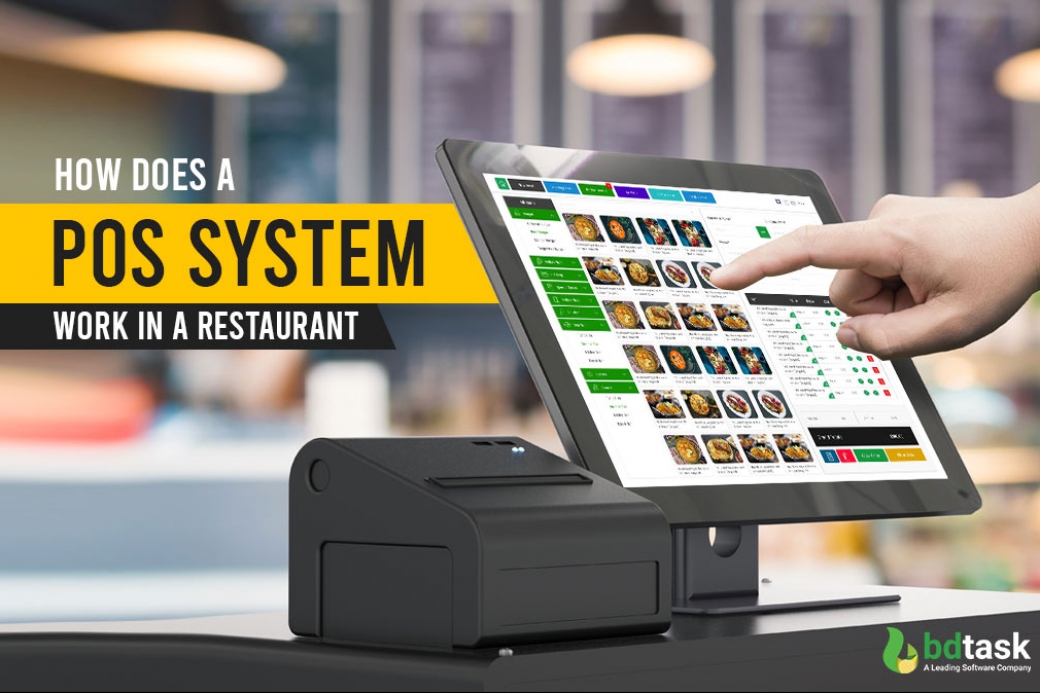
A regular POS system requires necessary equipment parts, including a touchscreen screen, money drawer, barcode scanner, receipt printer, click for more info and repayment terminal. These components work together to promote effective transaction handling and supply monitoring for merchants.
Can POS Software Be Customized for Specific Retail Requirements?
POS software can undoubtedly be tailored to fulfill specific retail needs. Restaurant POS Software. This flexibility allows companies to tailor attributes, user interfaces, and coverage devices, improving functional performance and supplying an extra tailored experience for both team and consumers
How Safe Is Client Information in POS Systems?
The security of customer information in POS systems differs extensively. Many systems implement file encryption, safe access controls, and regular updates, but vulnerabilities can still exist, demanding recurring watchfulness and aggressive procedures from retailers to secure sensitive details.